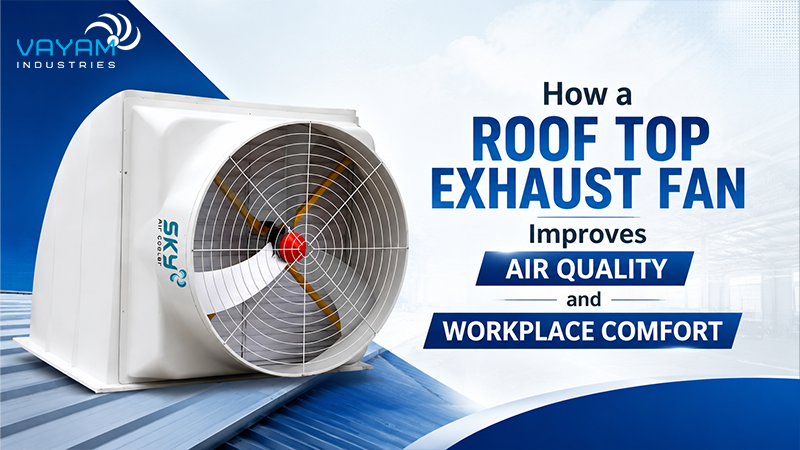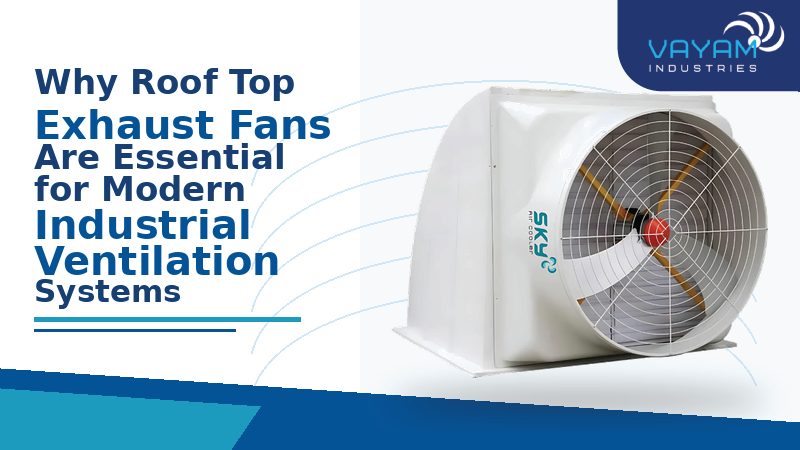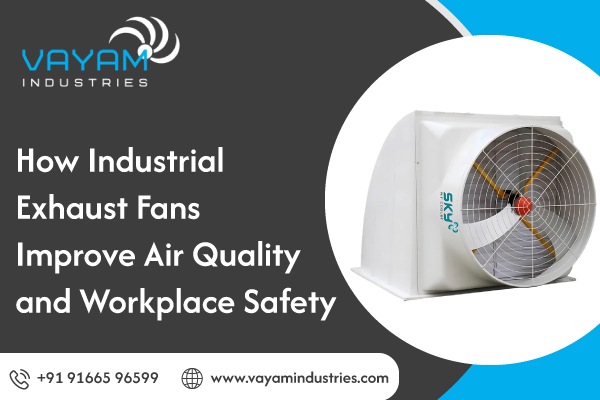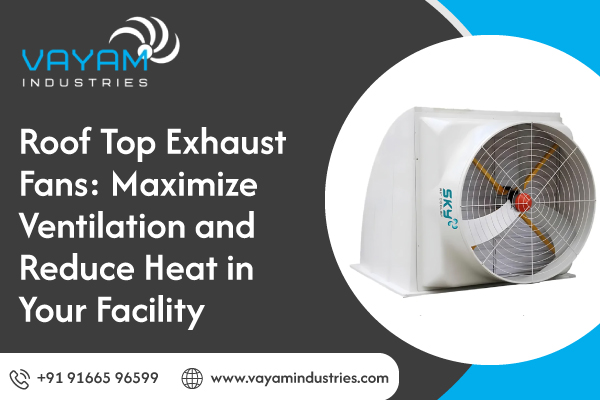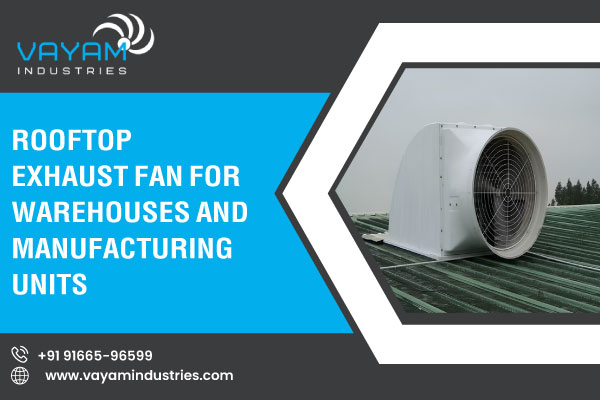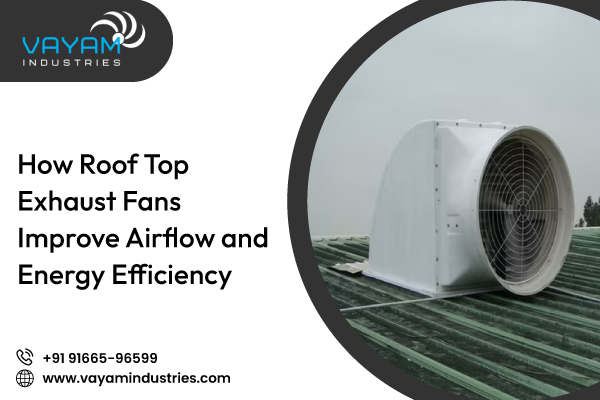
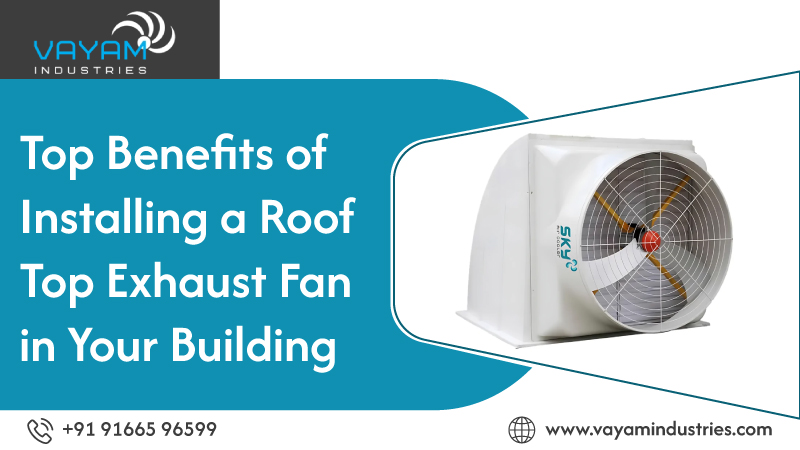
Modern buildings demand effective ventilation systems that support comfort, hygiene, and operational efficiency. Whether it is a commercial complex, industrial unit, warehouse, or large residential structure, proper air movement plays a major role in maintaining a healthy indoor environment. One of the most practical and widely adopted ventilation solutions today is the Roof Top Exhaust Fan. Designed to expel hot, stale, and contaminated air from the highest point of a structure, this system supports balanced airflow without occupying valuable interior space.
Understanding Roof Top Exhaust Fans
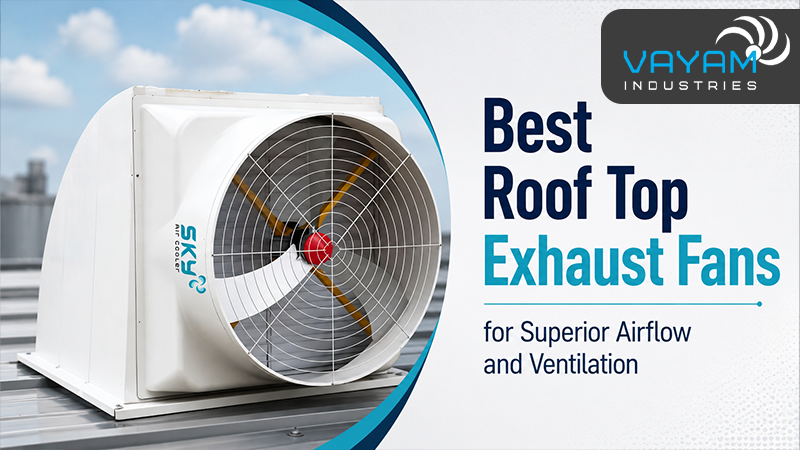
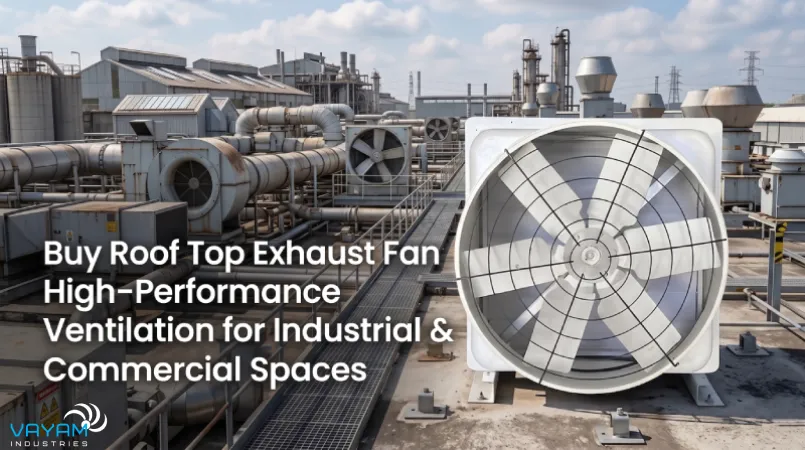
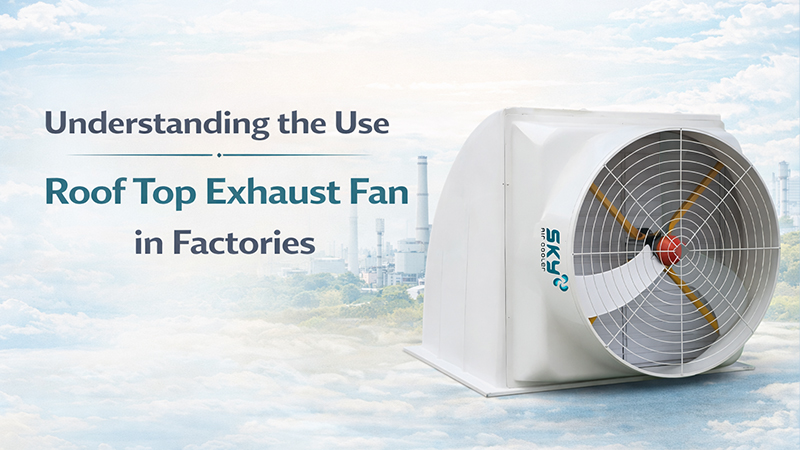
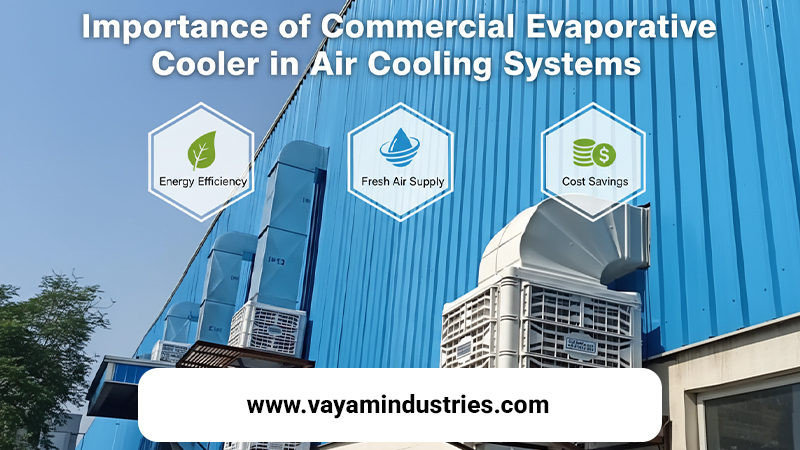
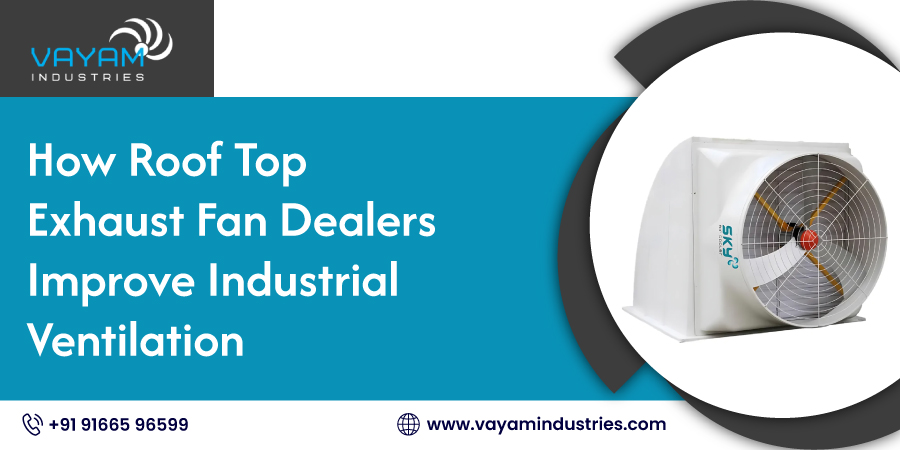
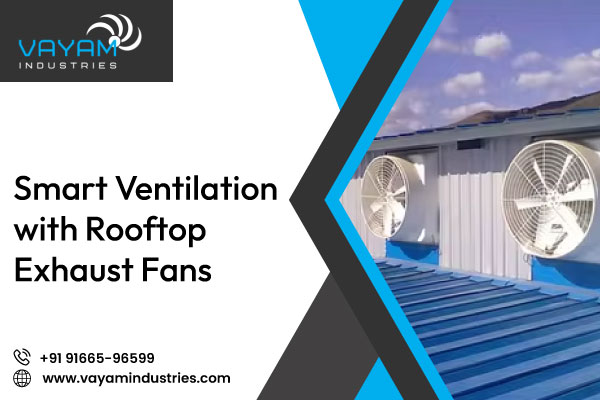
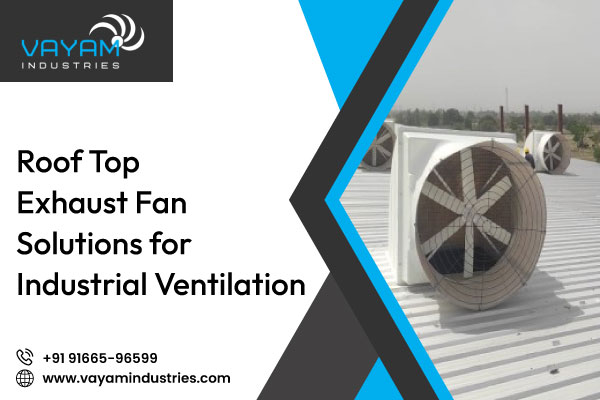
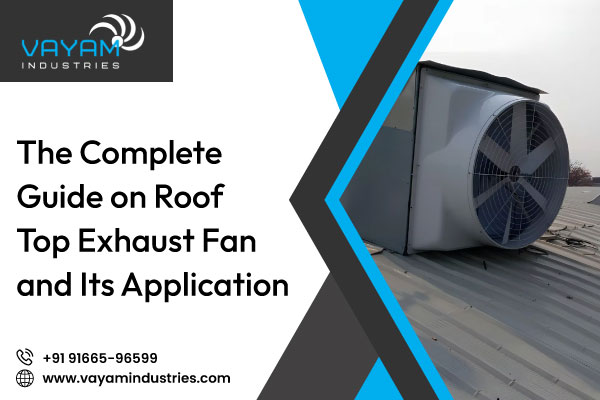
A roof-mounted exhaust system is installed on the rooftop of a building to remove unwanted air directly from the interior. Hot air, fumes, smoke, moisture, and odors naturally rise upward. A Roof Top Exhaust Fan takes advantage of this natural airflow pattern by releasing contaminated air from the highest point, allowing fresh air to circulate inside.
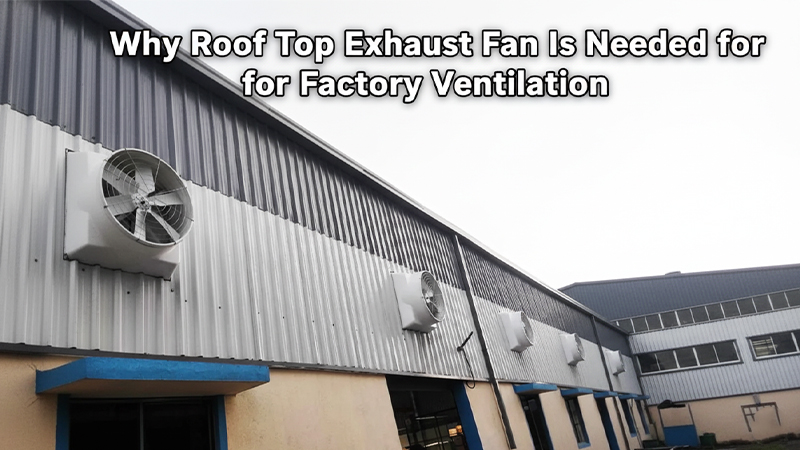
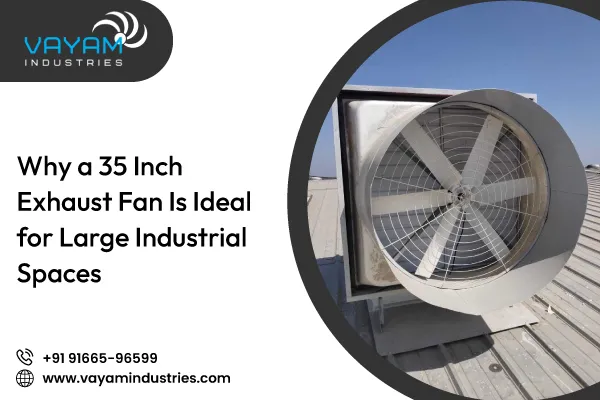
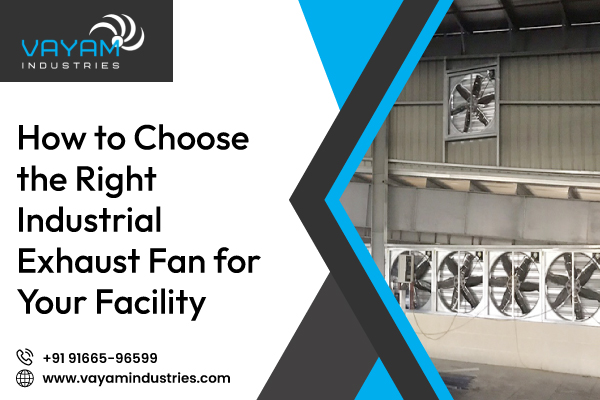
Unlike wall-mounted systems, roof-mounted exhaust fans do not interfere with internal layouts. They work efficiently in large spaces such as factories, malls, hospitals, commercial kitchens, and office buildings where continuous ventilation is required.
Importance of Proper Ventilation in Buildings
Ventilation directly impacts indoor air quality. Poor air circulation leads to heat buildup, humidity, odors, and airborne pollutants. Over time, this affects occupant comfort and building performance.
In commercial and industrial buildings, machinery, lighting systems, and human activity generate heat and pollutants. Without proper exhaust systems, these elements remain trapped indoors. Installing a roof-mounted exhaust system supports cleaner air movement and reduces internal pressure buildup.
Key Benefits of Installing a Roof Top Exhaust Fan
- Efficient Heat Removal: Warm air moves upward and gathers near the ceiling. A roof top exhaust fan removes this hot air. This helps keep indoor temperatures stable, especially in factories, warehouses, and large halls.
- Improved Indoor Air Quality: The fan pushes out stale and polluted air. Dust, smoke, fumes, and odors are removed. This makes the indoor air easier to breathe.
- Space-Saving Solution: The fan sits on the roof. It does not take up wall or floor space. This gives more room for equipment or layout flexibility.
- Reduced Moisture and Humidity: Moist air can cause mold, rust, and material damage. Roof fans remove humid air. This keeps spaces drier and cleaner.
- Balanced Airflow: Roof exhaust fans create steady airflow. They draw air upward and outward. This helps maintain even air movement in large areas without pressure problems.
Applications Across Building Types
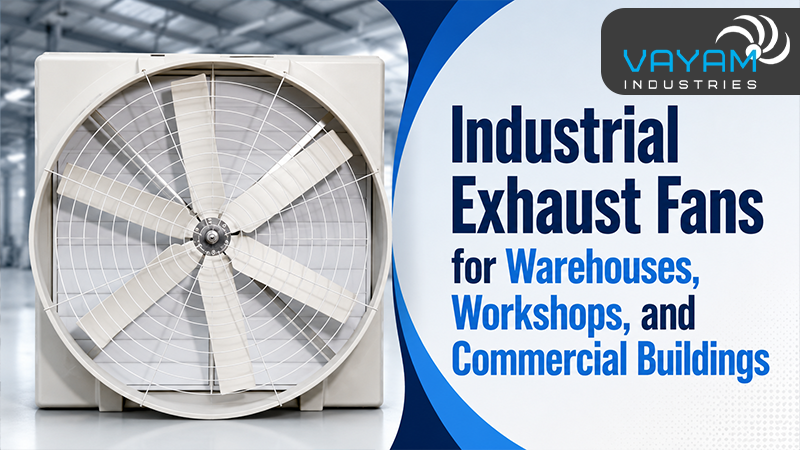
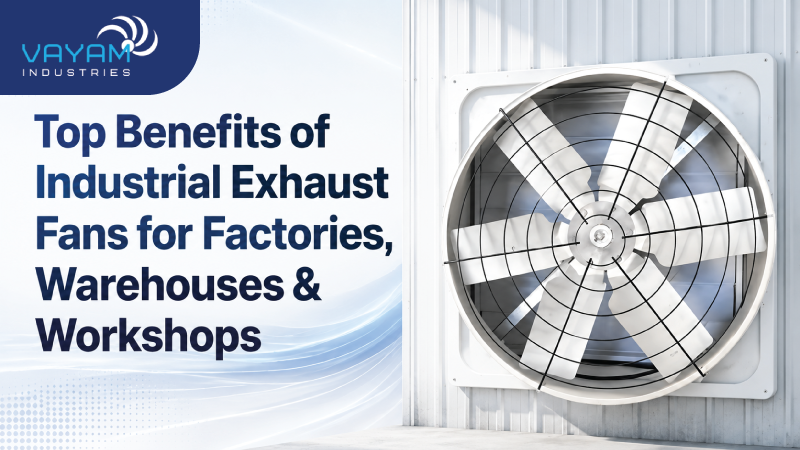
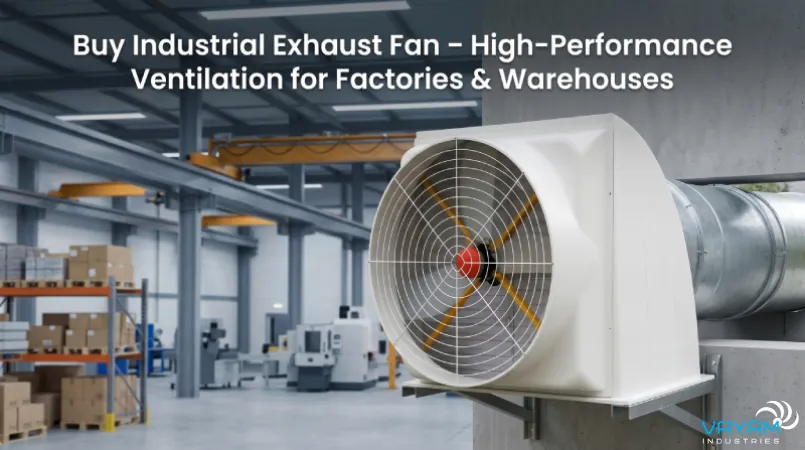
Roof fans work in many places. In factories, they remove heat and fumes from machines. In commercial kitchens, they push out smoke, grease, and smell. Hospitals and labs use them to control airborne particles. Offices stay cooler and more comfortable. Warehouses use them to manage heat and humidity across large storage areas.
How Roof Top Exhaust Fans Support Energy Management
When hot air is effectively removed, cooling systems operate under reduced load. This supports more stable temperature control without excessive energy usage. Roof-mounted exhaust fans work alongside natural ventilation, allowing fresh air to replace expelled air naturally.
Design and Construction Features
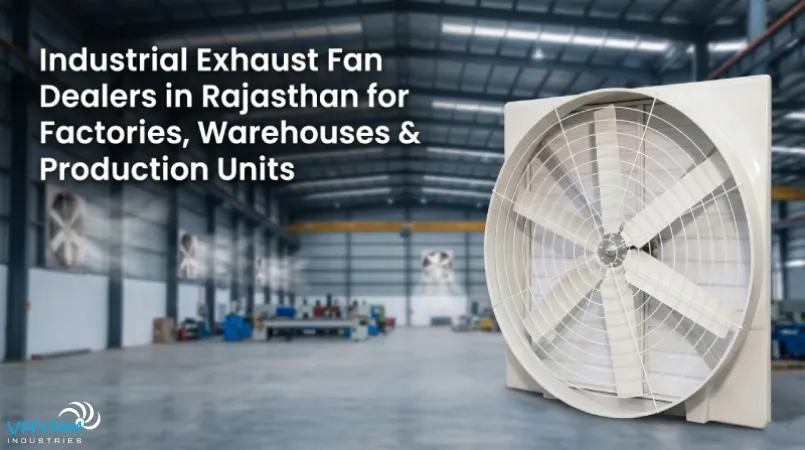
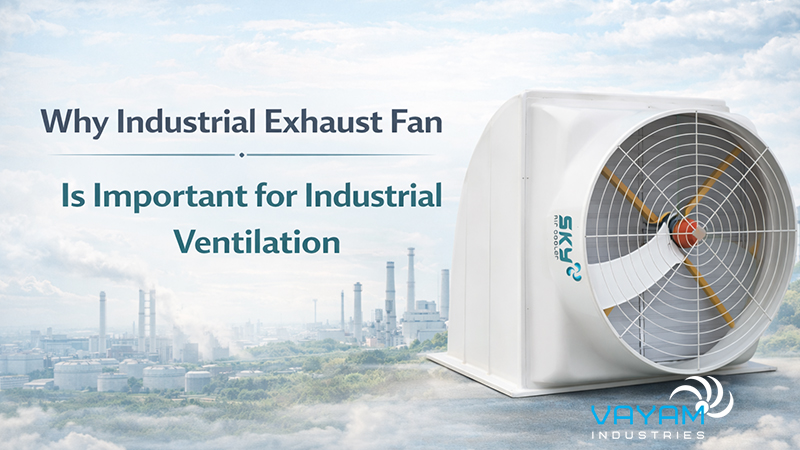
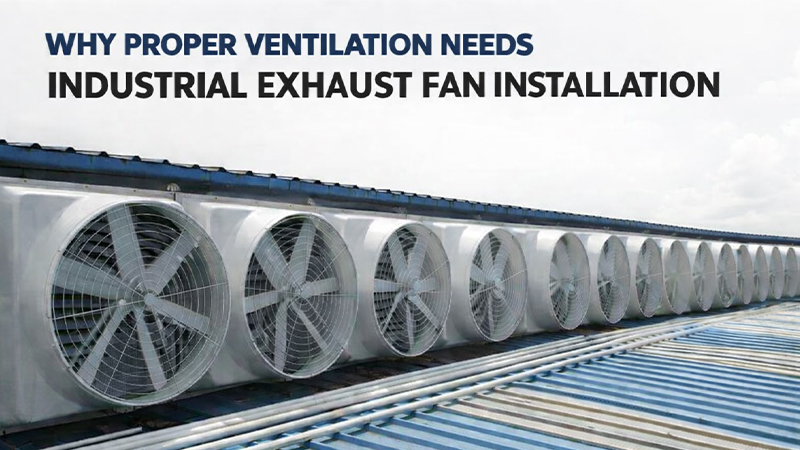
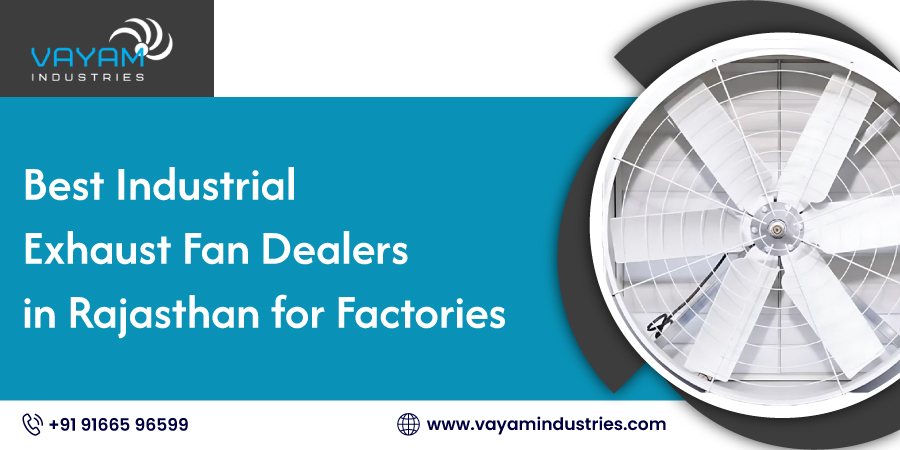
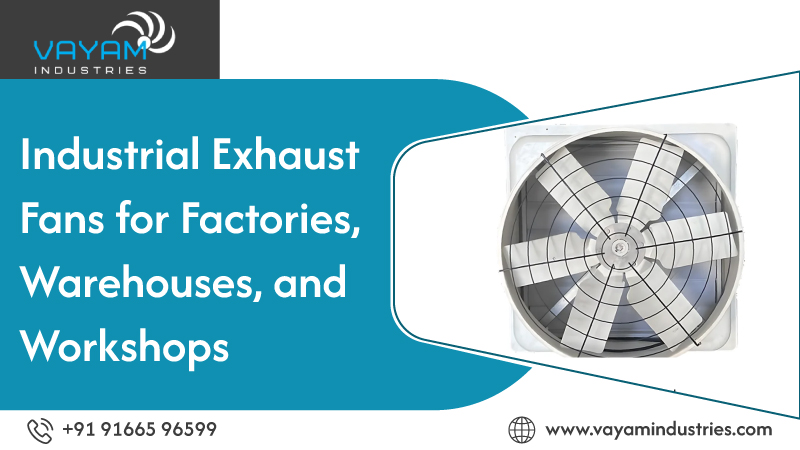
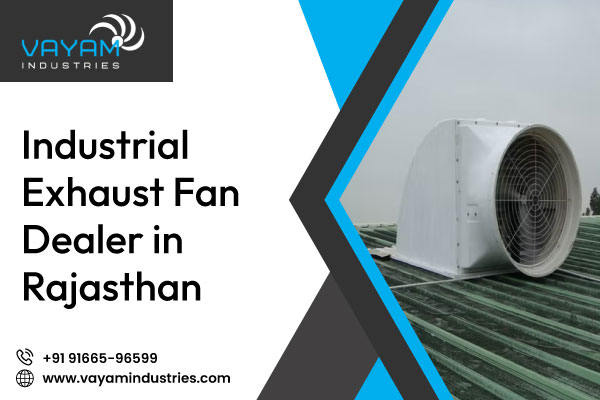
A well-designed Roof Top Exhaust Fan is built to withstand outdoor exposure. Weather-resistant materials protect the fan from rain, dust, and temperature variations. Aerodynamically balanced blades support smooth airflow with reduced vibration.
Motors used in rooftop exhaust systems are selected for continuous operation. Protective housing and safety grills add operational stability and user safety.
Installation Considerations for Roof-Mounted Exhaust Fans
Proper placement enhances airflow efficiency. Roof-mounted exhaust fans should be installed at points where hot air accumulation is highest. Structural support, electrical connections, and sealing must be handled carefully during installation.
Professional installation supports stable performance and reduces operational issues. Buildings with complex layouts may require multiple exhaust points for uniform ventilation.
Maintenance and Operational Reliability
Roof-mounted exhaust fans are designed for minimal maintenance. Periodic inspection of blades, motors, and mounting components supports consistent performance. Removing dust and debris from fan surfaces helps maintain airflow capacity.
High-quality rooftop exhaust fans operate reliably over long periods with routine care. This makes them suitable for buildings with continuous ventilation demands.
Why Roof Top Exhaust Fans Are a Long-Term Investment
Ventilation systems influence building comfort and operational stability over many years. A Roof Top Exhaust Fan offers long-term value by improving airflow without occupying interior space. Its durability and functional design support sustained performance across varied conditions.
For growing facilities and modern buildings, rooftop exhaust systems adapt easily to evolving ventilation needs. This flexibility makes them a preferred solution for long-term building planning.
Why Choose Us
Vayam Industries is committed to delivering ventilation solutions that match practical building requirements. Our focus remains on product reliability, functional design, and application-specific suitability. With a clear understanding of industrial and commercial ventilation needs, Vayam Industries offers roof-mounted exhaust fans built for continuous operation and environmental exposure. Clients choose Vayam Industries for consistent quality, industry-focused guidance, and solutions that align with real operational demands rather than generic specifications.
Conclusion
Installing a roof-mounted exhaust system plays a vital role in improving indoor air movement and thermal comfort. A well-designed Roof Top Exhaust Fan removes hot, stale, and contaminated air efficiently from buildings of all sizes. It supports better indoor conditions, protects structural elements, and enhances overall building functionality. From industrial units to commercial spaces, roof-mounted exhaust fans provide reliable ventilation without disrupting interior layouts. With proper selection, installation, and maintenance, these systems contribute to long-term operational stability and healthier indoor environments across diverse applications.
More information about Roof Top Exhaust Fan Call +91 9166596599 or email sales@vayamindustries.com
Key Takeaways
- A Roof Top Exhaust Fan removes hot, stale, and contaminated air from the highest point of a building, supporting effective and natural airflow.
- Roof-mounted exhaust systems improve indoor air quality and thermal comfort without occupying interior wall or floor space.
- These fans help control heat and humidity levels, making them suitable for industrial, commercial, and large residential buildings.
- Proper installation and regular maintenance support consistent performance and long operational life of roof top exhaust fans.
- Choosing a reliable manufacturer like Vayam Industries helps buildings achieve dependable ventilation solutions aligned with real operational needs.
FAQs
What is the main purpose of a roof-mounted exhaust fan?
A roof-mounted exhaust fan removes hot, polluted, and humid air from the top of a building to support balanced indoor airflow.
Is a roof top exhaust fan suitable for large buildings?
Yes, roof-mounted exhaust fans are ideal for large spaces such as factories, warehouses, and commercial complexes.
Can roof-mounted exhaust fans operate continuously?
These fans are designed for extended operation and can run for long hours with proper maintenance.
Does installation require major structural changes?
Installation usually requires minimal structural modification when planned correctly with professional support.
How often should roof-mounted exhaust fans be maintained?
Periodic inspection and cleaning help maintain airflow efficiency and operational reliability.