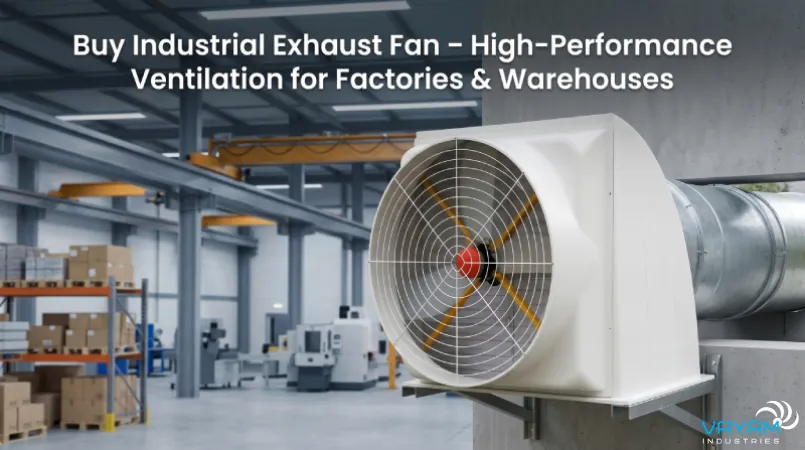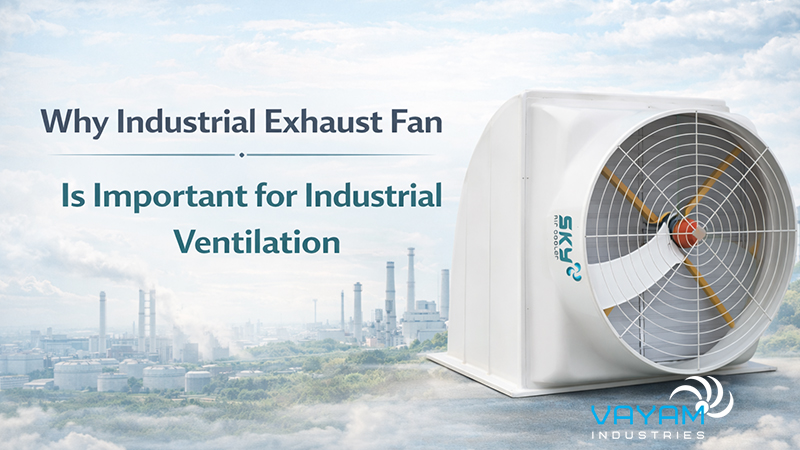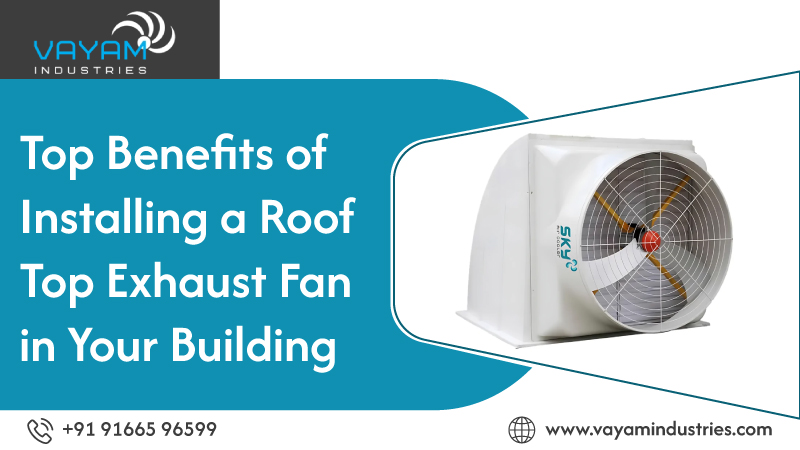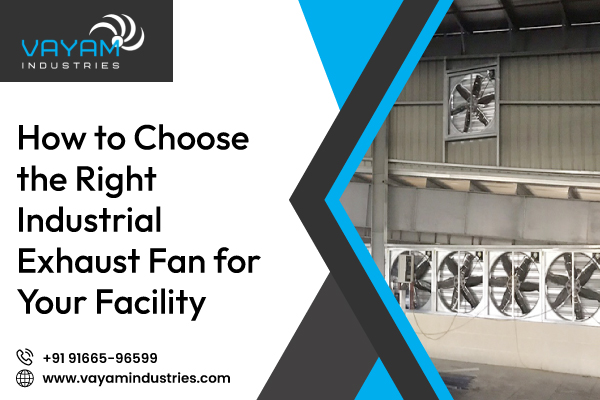


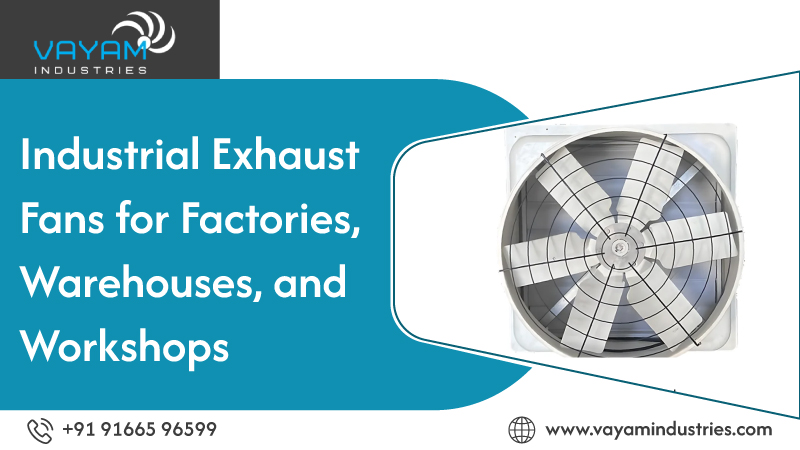
Industrial environments demand controlled airflow to support productivity, safety, and equipment longevity. In factories, warehouses, and workshops, air quality directly influences working conditions and operational stability. Industrial Exhaust Fans for Factories, Warehouses, and Workshops play a critical role in managing heat, fumes, dust, and stale air generated by machines and processes. This blog explores how industrial exhaust fan’s function, why they are essential across industrial spaces, and how to choose the right solution based on operational needs.
Industrial exhaust fans are engineered to move large volumes of air efficiently. Unlike domestic ventilation systems, these fans are built for continuous operation, higher temperatures, and demanding environments. Businesses that invest in the right exhaust ventilation system gain better airflow control, improved indoor conditions, and optimized workspace performance.
Understanding Industrial Exhaust Fans
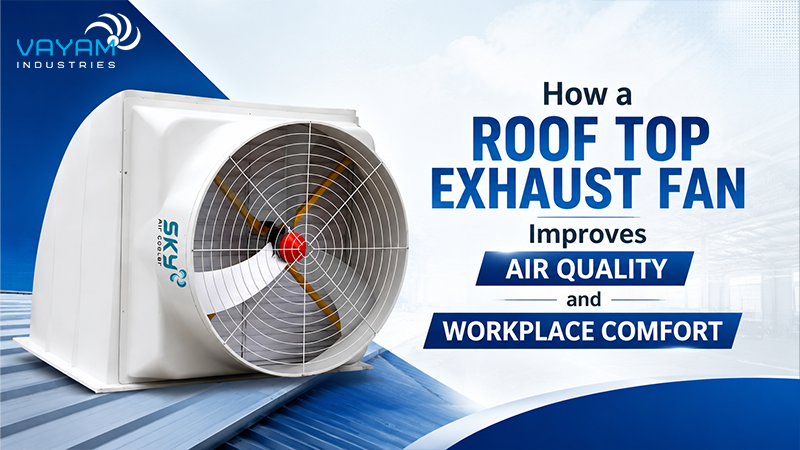
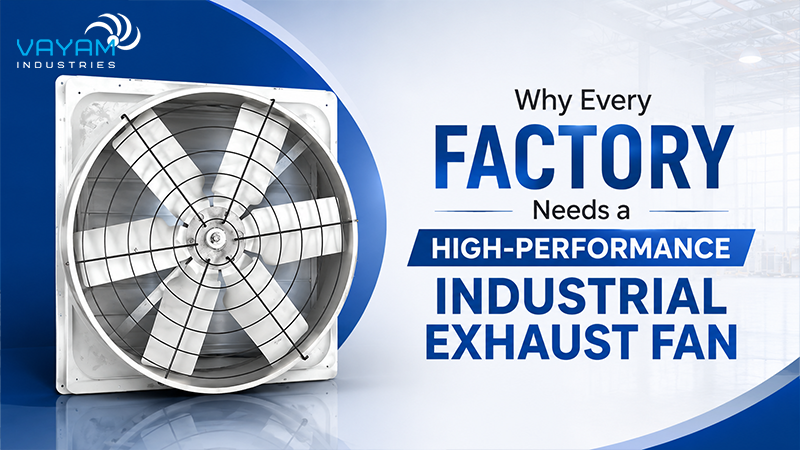
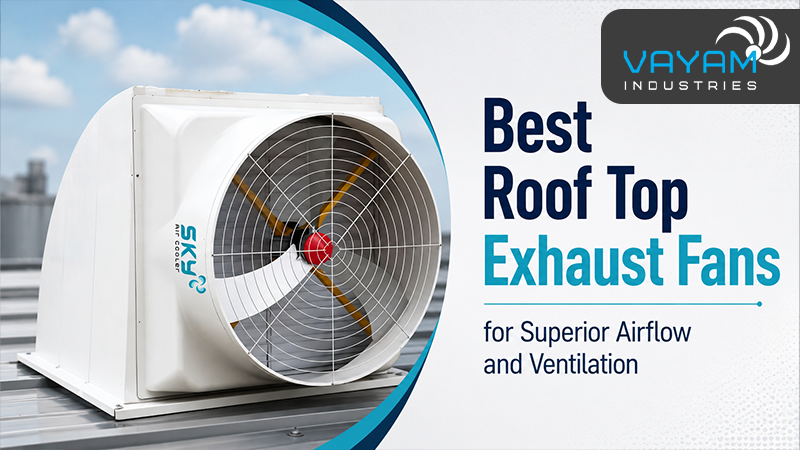
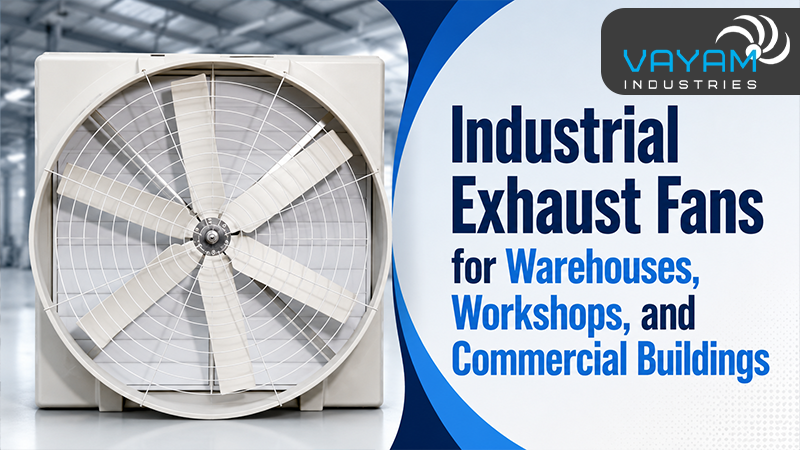
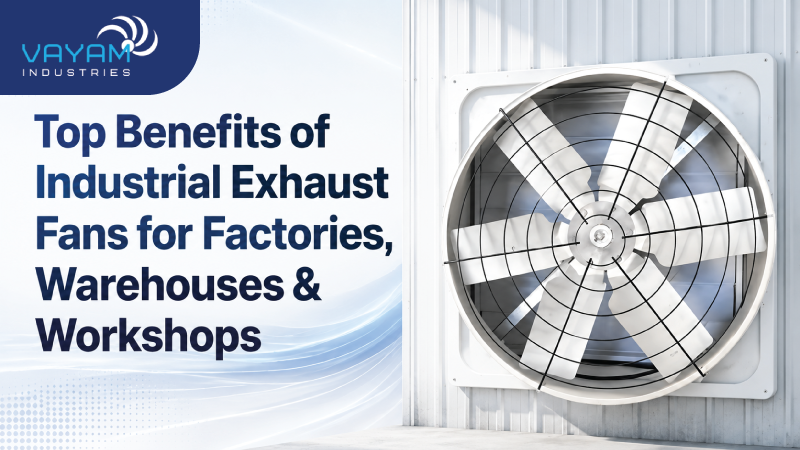
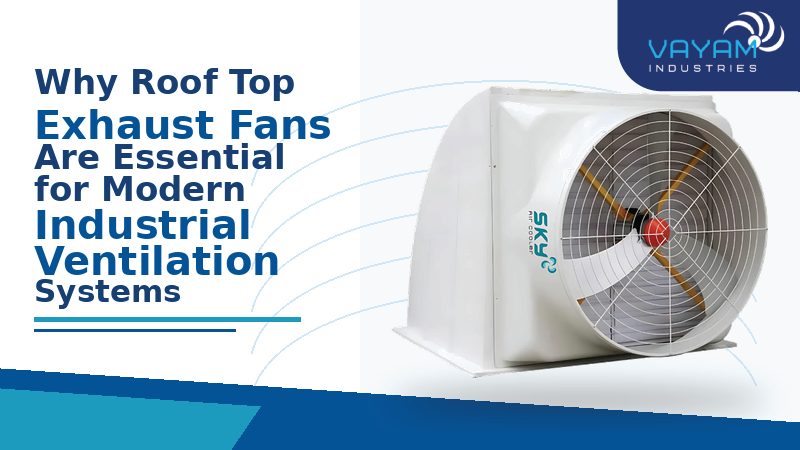
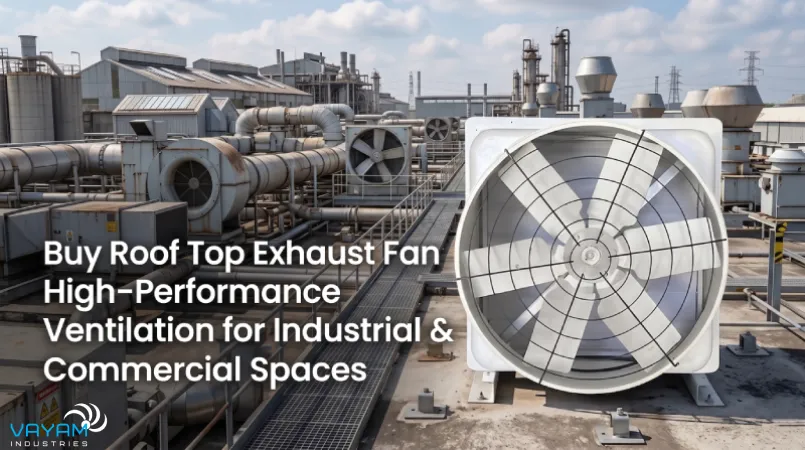
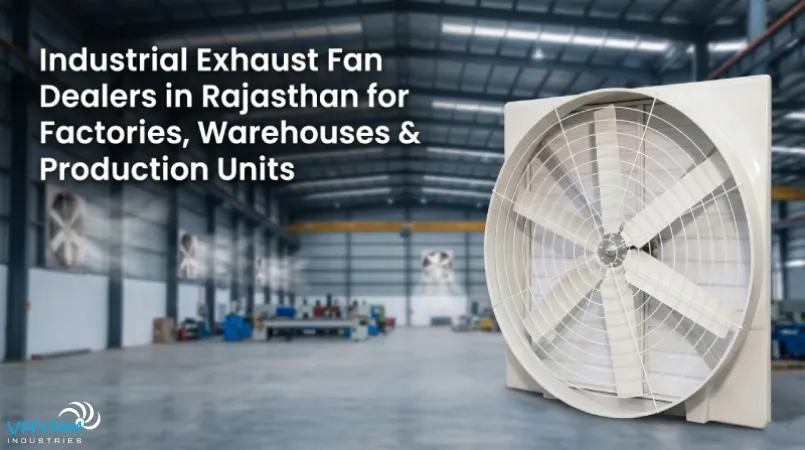
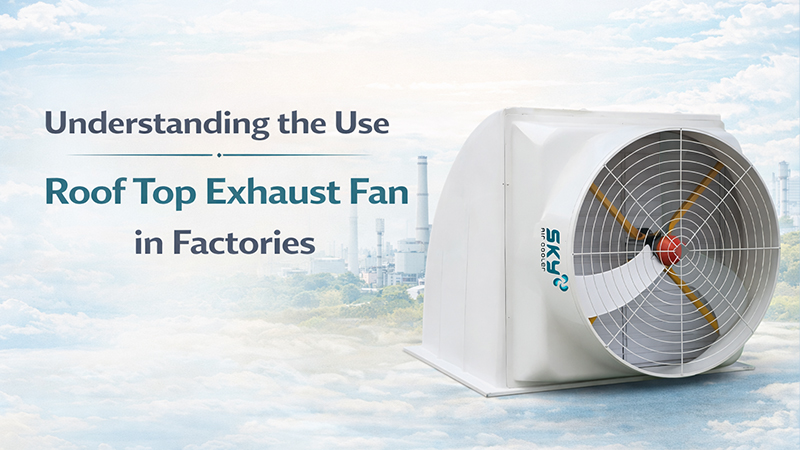
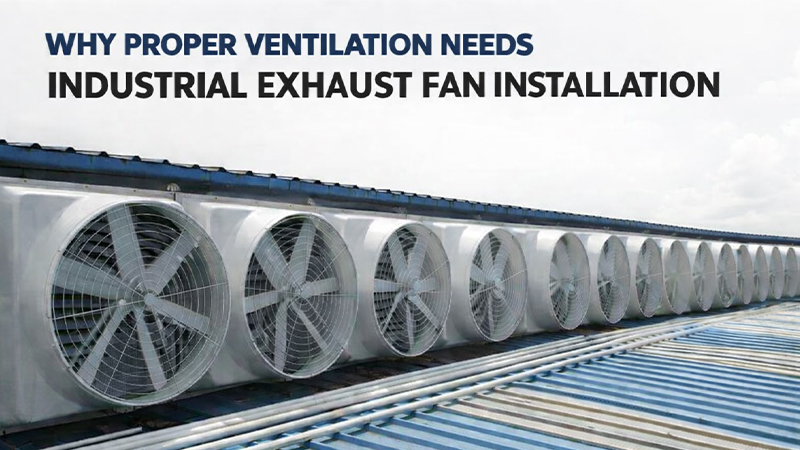
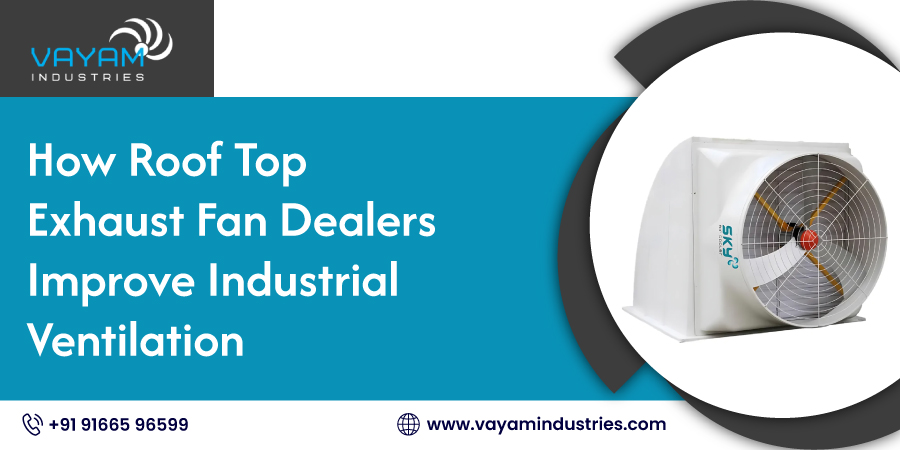
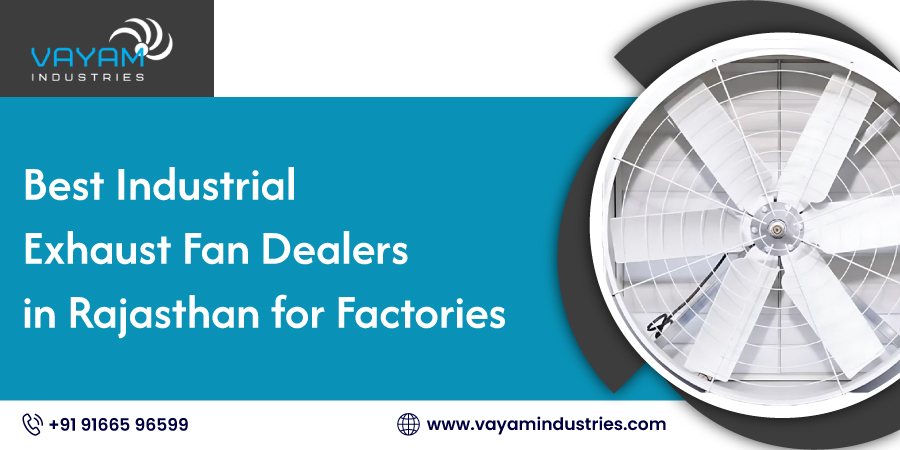
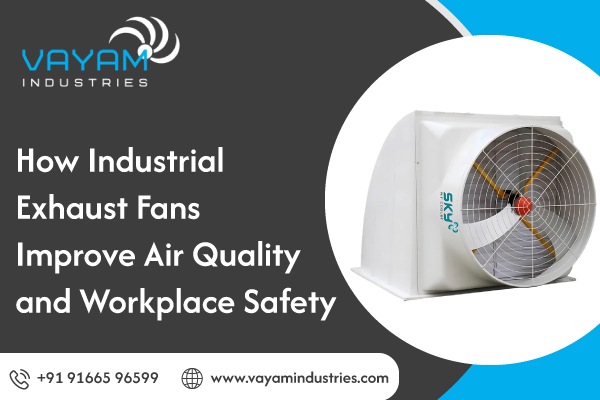
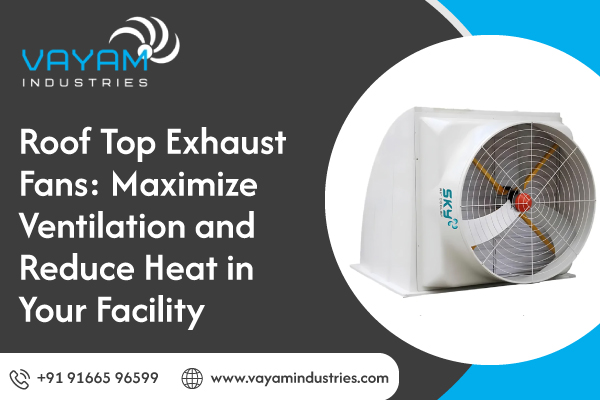
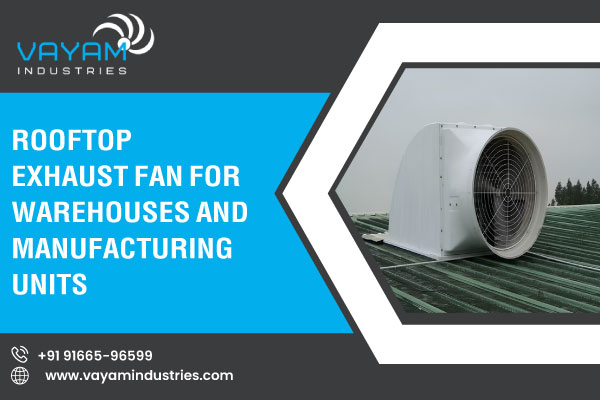
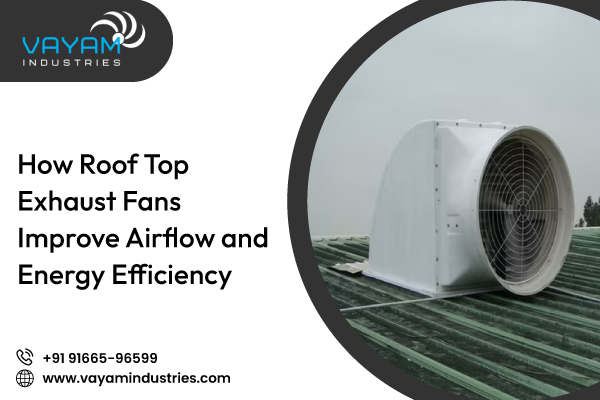
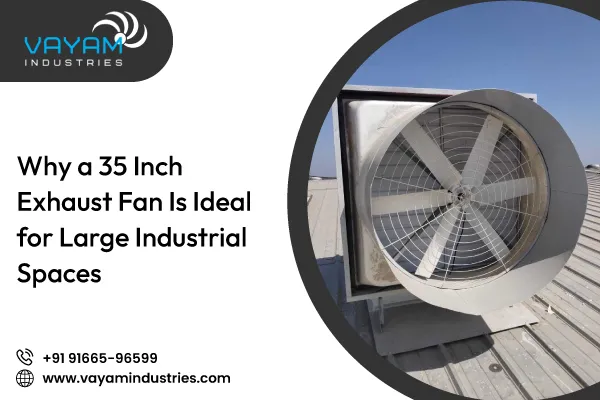
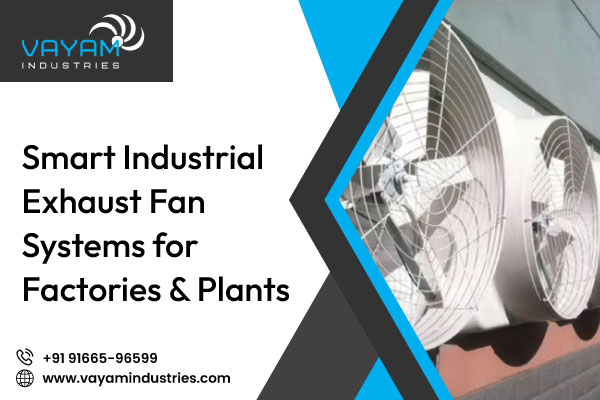
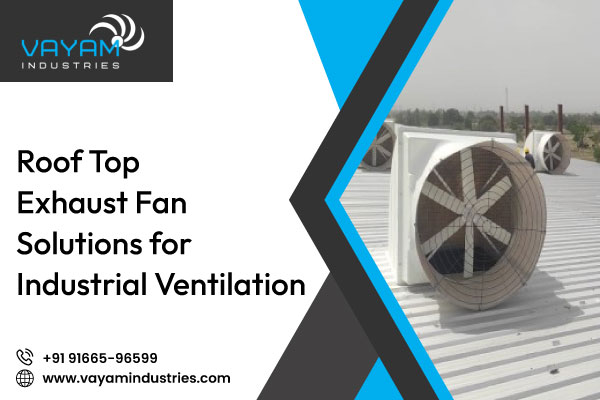
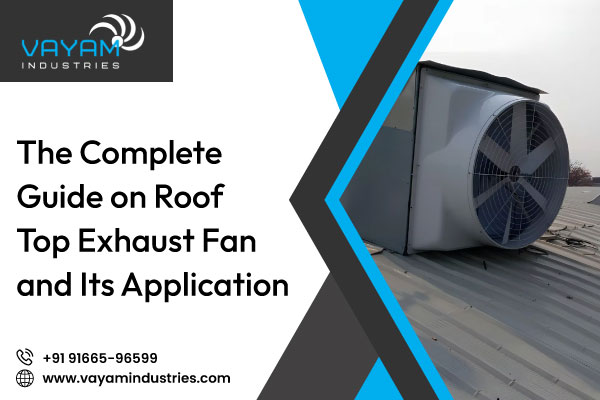
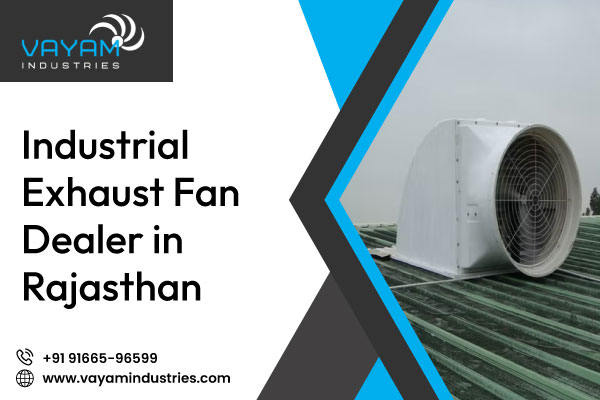
Industrial exhaust fans are mechanical ventilation devices designed to remove contaminated air from enclosed spaces. They expel hot air, fumes, smoke, chemical vapors, and dust while allowing fresh air circulation. These systems are commonly installed in manufacturing units, storage facilities, fabrication workshops, and processing plants.
In industrial settings, natural ventilation often falls short. Machinery, welding operations, material handling, and chemical processes generate pollutants that accumulate quickly. Exhaust fans create a controlled exit path for unwanted air, helping maintain balanced airflow throughout the facility.
Importance of Industrial Exhaust Fans in Factories
Factories use heavy machines. These machines create heat and dust. Without ventilation, heat builds up fast. This affects workers and equipment.
Industrial exhaust fans push hot air out. Fresh air comes in. This helps control temperature inside the factory.
Many factory processes create fumes and fine particles. Welding, painting, cutting, and molding are common examples. Over time, these particles settle on machines and surfaces. This can affect product quality. Exhaust fans remove polluted air and help keep work areas cleaner.
Role of Exhaust Fans in Warehouses
Warehouses store goods for long periods. Poor airflow causes heat, moisture, and bad smells. This can damage stored materials.
Industrial exhaust fans keep air moving. They reduce humidity and prevent hot spots in large spaces.
In warehouses that store chemicals, packaging, or perishable items, air quality matters. Exhaust fans remove trapped air and lower the risk of condensation. This helps protect stored goods.
Why Workshops Depend on Industrial Exhaust Fans
Workshops carry out cutting, grinding, polishing, and fabrication tasks. These tasks release dust, fumes, and sparks into the air.
Industrial exhaust fans pull out dirty air near the source. This makes breathing safer for workers.
Small and medium workshops often run fans during work hours. Steady airflow helps control dust. It also keeps tools and work surfaces cleaner.
How Industrial Exhaust Fans Improve Workplace Conditions
Industrial exhaust fans contribute to better airflow control. By removing polluted air, they help stabilize internal temperatures and reduce humidity. This leads to more consistent working conditions throughout the facility.
Improved ventilation supports worker focus and comfort. In environments where machines run continuously, exhaust fans help prevent heat stress and discomfort. Cleaner air supports better visibility and reduces airborne irritants.
Exhaust fans also protect equipment. Heat and dust accumulation shorten machine life and increase maintenance requirements. Efficient ventilation supports smoother operations and reduces downtime related to overheating or contamination.
Selecting the Right Industrial Exhaust Fan
Picking the right exhaust fan depends on a few key factors.
Facility size, ceiling height, heat load, and type of pollutants influence fan capacity requirements. Airflow is measured in cubic meters per hour (CMH), and selecting the correct capacity avoids underperformance.
Material construction is equally important. Industrial exhaust fans are typically made from steel, aluminum, or coated metal to handle harsh environments. Corrosion-resistant finishes support longer operational life.
Noise levels should also be considered, especially in workshops and production areas where workers remain close to ventilation equipment. Balanced fan blades and quality motors support quieter operation.
Installation and Placement Considerations
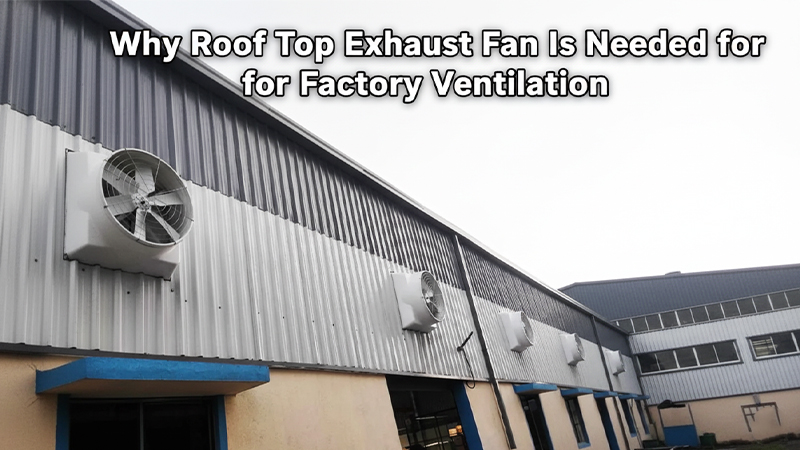
Proper installation directly influences exhaust fan performance. Fans should be placed where heat and pollutants accumulate the most. Incorrect positioning reduces airflow efficiency and limits ventilation impact.
For factories, exhaust fans are often installed near machinery clusters or production lines. Warehouses benefit from evenly distributed exhaust points to prevent stagnant air pockets. Workshops require fans positioned close to dust and fume sources.
Electrical connections, safety grills, and mounting frames must follow industrial standards. Professional installation supports stable operation and reduces mechanical stress on the fan system.
Energy Efficiency and Operational Reliability
Industrial exhaust fans are designed for extended operational hours. Energy-efficient motors help manage power consumption without compromising airflow output. Choosing fans with optimized blade design supports effective ventilation with controlled energy usage.
Operational reliability matters in industrial settings. Fans used in continuous production environments must perform consistently. High-quality bearings, motors, and protective coatings contribute to stable long-term performance.
Maintenance Practices for Industrial Exhaust Fans
Regular maintenance supports consistent fan performance. Dust and debris accumulation affect airflow efficiency and motor load. Periodic cleaning of blades and grills helps maintain airflow capacity.
Checking motor alignment, lubrication, and electrical connections reduces the risk of unexpected breakdowns. Scheduled inspections allow early identification of wear or imbalance.
Applications Across Industrial Sectors
Industrial exhaust fans are used across multiple sectors, including manufacturing, food processing, pharmaceuticals, automotive workshops, textile units, and packaging facilities. Each sector has specific ventilation requirements based on processes and materials used.
In manufacturing plants, exhaust fans remove heat and fumes from machinery. In food processing units, ventilation supports hygiene and temperature control. In automotive workshops, exhaust fans manage smoke and fumes from engines and welding activities.
Why Choose Us
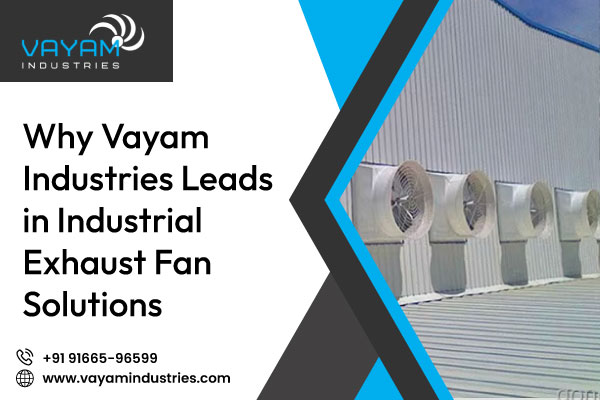
Vayam Industries stands out as a dependable provider of industrial exhaust fans designed for real-world industrial environments. The company focuses on offering ventilation solutions that align with factory layouts, workshop operations, and warehouse airflow demands. With a strong understanding of industrial ventilation requirements, Vayam Industries supports businesses in selecting exhaust fans that match capacity needs and installation conditions. The product range reflects durability, functional design, and suitability for continuous operation. Businesses working with Vayam Industries benefit from industry-focused guidance and consistent product standards that support long-term ventilation performance.
Conclusion
Industrial exhaust fans form the backbone of effective ventilation in factories, warehouses, and workshops. They help control heat, remove airborne contaminants, and support healthier working environments. Selecting the right exhaust fan depends on airflow requirements, facility layout, and operational intensity. Proper installation and maintenance support consistent performance across industrial operations. Businesses that invest in quality exhaust fans benefit from improved comfort, equipment protection, and operational stability. With industry-focused solutions and dependable product quality, Vayam Industries continues to support industrial spaces with ventilation systems designed for long-term functionality and practical performance.
More information about Industrial Exhaust Fan Call +91 9166596599 or email sales@vayamindustries.com
Key Takeaways
- Industrial exhaust fans support effective airflow control by removing heat, fumes, dust, and polluted air from factories, warehouses, and workshops.
- Proper ventilation improves workplace comfort, protects machinery, and supports stable daily operations in industrial environments.
- Selecting the right exhaust fan depends on airflow capacity, installation location, material quality, and continuous operation needs.
- Correct installation and regular maintenance help industrial exhaust fans deliver consistent performance and longer service life.
- Partnering with an experienced Industrial Exhaust Fan Dealer in Rajasthan like Vayam Industries helps industries choose reliable ventilation solutions suited to their operational requirements.
FAQs
What is the primary function of an industrial exhaust fan?
Industrial exhaust fans remove hot air, fumes, dust, and pollutants from industrial spaces, supporting better airflow and controlled indoor conditions.
Are industrial exhaust fans suitable for continuous operation?
Yes, industrial exhaust fans are designed for extended operational hours in demanding factory and workshop environments.
How do I select the correct exhaust fan capacity?
Fan capacity depends on room size, ceiling height, heat generation, and type of pollutants. Professional guidance helps determine suitable airflow ratings.
Can exhaust fans be installed in existing industrial buildings?
Yes, industrial exhaust fans can be integrated into existing structures with proper site evaluation and installation planning.
Why choose a regional dealer for industrial exhaust fans?
A regional Industrial Exhaust Fan Dealer in Rajasthan offers better product availability, localized support, and understanding of industrial conditions.